
Peptide & Research Compound
Education Guides
Peptide Reconstitution Guide
Need clear, step-by-step instructions for mixing research peptides? Open the Elite Performance Research Reconstitution Guide (PDF) to learn how to choose a diluent, calculate volumes, reconstitute safely, label and store vials, and avoid common errors.
Peptide Dosage Guide
Looking for quick answers on dosing, reconstitution, and syringe measurements? Open the Elite Performance Research Peptide Dosage Guide (PDF) for a clear chart of every peptide we offer, plus step-by-step examples that show how to set concentrations, convert units, and more.
New to Peptides? Start Here
Step 1
Peptide Reconstitution Guide
Need clear, step-by-step instructions for mixing research peptides? Open the Elite Performance Research Reconstitution Guide (PDF) to learn how to choose a diluent, calculate volumes, reconstitute safely, label and store vials, and avoid common errors.
Step 2
Peptide Dosage Guide
Looking for quick answers on dosing, reconstitution, and syringe measurements? Open the Elite Performance Research Peptide Dosage Guide (PDF) for a clear chart of every peptide we offer, plus step-by-step examples that show how to set concentrations, convert units, and more.
Peptide Dosage Guide
Looking for information on how some researchers are setting up dosing, reconstitution, and syringe measurements?
Resources:
- Download the Elite Performance Research Peptide Dosage Guide (PDF) information on show how some researchers set concentrations, convert units, and more.
- Visit our Dosing Calculator to quickly do the math for your research
Peptide Reconstitution Guide
✅ What You Need:
- Peptide vial (powder)
- Bacteriostatic Water
- 1–3 mL syringe with a mixing needle for injecting BAC Water
- Alcohol wipes
- Insulin syringe
⚡ Step 1: Clean Up
- Wash your hands.
- Pop top off of BAC Water and Peptide Vial
- Clean the tops of both with alcohol pad.
🌟 Step 2: Add BAC Water to Peptide
- Use the larger syringe to draw up bacteriostatic water.
- Slowly inject the water into the peptide vial, aiming the stream down the side (not directly onto the powder).
- Let it sit and gently swirl until the powder fully dissolves.
🛑 DO NOT SHAKE.
💉 Step 3: Drawing a Dose
- Wipe the top of the peptide vial with an alcohol pad.
- Use an insulin syringe to draw your dose
- Pull back slowly and check for bubbles. Tap them out if needed. (bubbles are not harmful If there are a few)
⚗ Step 4: Storing the Reconstituted Peptide
- Immediately refrigerate the mixed peptide vial after reconstituting.
- Store between 36°F–46°F (2°C–8°C) — the typical fridge range.
- Avoid freezing or leaving it out for extended periods.
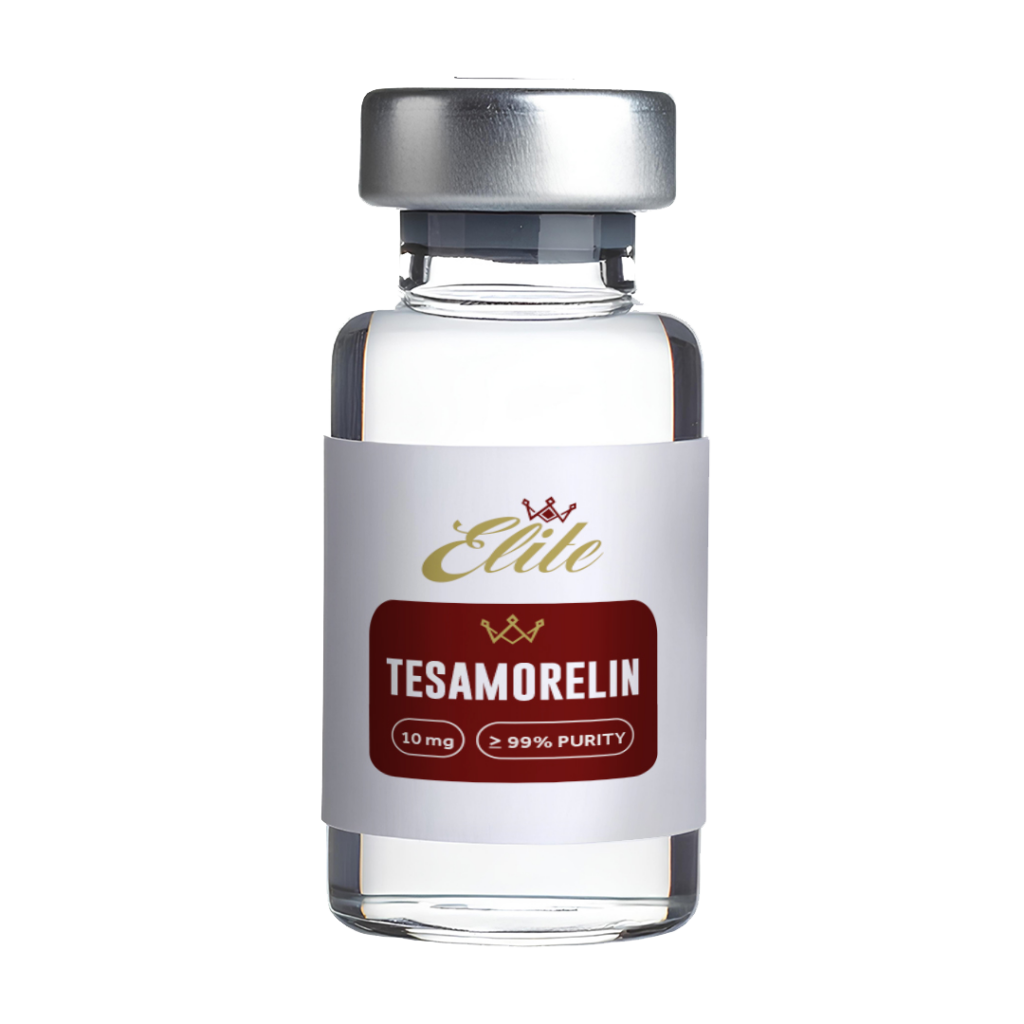
- Shelf life is usually 30 days once mixed (some like Tesamorelin have shorter shelf life)
- Keep the vial upright and avoid unnecessary shaking or movement.
Download Elite Performance Research Reconstitution Guide (PDF) to learn how to choose a diluent, calculate volumes, reconstitute safely, label and store vials, and avoid common errors.