Benefits of Retatrutide GLP-3 and Why Researchers Are Paying Attention
As peptide research continues to evolve, few compounds have generated as much interest as Retatrutide. Often referred to in research circles as a “GLP-3” compound, Retatrutide represents a next-generation advancement in metabolic and body composition studies.
Unlike traditional GLP-1 compounds, Retatrutide works through three separate receptor pathways, making it one of the most exciting compounds for researchers focused on weight management models, fat metabolism, appetite regulation, and metabolic performance.
At Elite Performance Research, we provide premium research compounds designed for serious laboratory investigation. This guide explores the benefits of Retatrutide GLP-3, why it stands out from other compounds, and how researchers are studying it alongside other peptides for advanced metabolic and performance models.
What Is Retatrutide GLP-3?
Retatrutide is commonly described as a triple agonist because it targets three major receptor systems:
- GLP-1 (Glucagon-Like Peptide-1) receptors
- GIP (Glucose-Dependent Insulinotropic Polypeptide) receptors
- Glucagon receptors
This triple-action mechanism is why many researchers refer to it as a “GLP-3” compound.
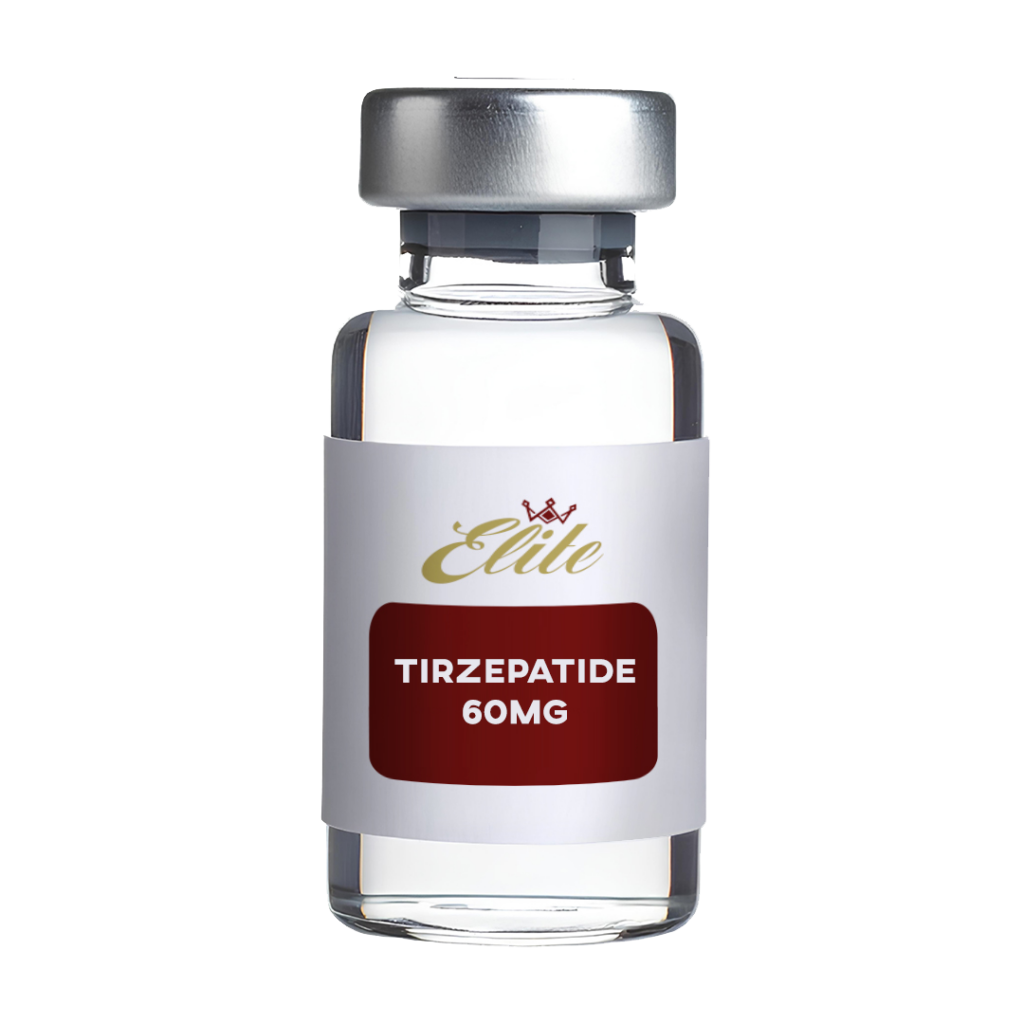
While compounds like Semaglutide focus primarily on GLP-1 pathways and Tirzepatide works through two pathways, Retatrutide adds a third receptor—glucagon—which may significantly enhance metabolic outcomes.
This added receptor activity may support stronger body composition changes and more aggressive fat metabolism models.
Why Retatrutide Is Different
Most metabolic peptides focus heavily on appetite suppression.
Retatrutide does that—but researchers are especially interested in what happens beyond appetite control.
The glucagon receptor pathway may contribute to:
- Increased caloric expenditure
- Enhanced fat mobilization
- Improved metabolic flexibility
- Greater total energy output
- More aggressive recomposition potential
This is why Retatrutide is often viewed as the evolution beyond traditional GLP-1 compounds.
Top Benefits of Retatrutide GLP-3
1. Powerful Appetite Regulation
One of the most recognized benefits of Retatrutide is appetite suppression.
Researchers frequently study how the GLP-1 and GIP pathways influence hunger signaling and food intake behavior.
Reduced appetite may support:
- Lower caloric intake models
- Reduced cravings
- Improved adherence in weight reduction studies
- Better long-term metabolic consistency
This remains one of the foundational benefits of Retatrutide research.
2. Increased Energy Expenditure
This is where Retatrutide stands apart.
The glucagon receptor pathway may help researchers study actual caloric burn rather than simply reduced intake.
This creates interest in:
- Thermogenic response models
- Increased metabolic output
- Enhanced calorie utilization
- Greater daily energy expenditure
Instead of only “eating less,” researchers are exploring whether Retatrutide helps the body “burn more.”
This is a major differentiator.
3. Enhanced Fat Metabolism
Researchers are especially interested in how Retatrutide may improve fat mobilization.
This includes studies involving:
- Stored fat utilization
- Fat oxidation efficiency
- Reduction in stubborn fat models
- Visceral fat research
- Body fat percentage changes
For advanced body recomposition studies, this makes Retatrutide highly attractive.
4. Advanced Body Composition Support
The goal in many research models is not simply weight loss—it is improved body composition.
That means:
- Lower fat mass
- Preserved lean tissue
- Better muscle visibility
- Improved metabolic efficiency
- Stronger overall composition outcomes
Retatrutide is often studied for how it supports aggressive recomposition models compared to older compounds.
5. Improved Metabolic Flexibility
Metabolic flexibility refers to how efficiently the body shifts between fuel sources like carbohydrates and fat.
Researchers study whether Retatrutide may improve:
- Fuel partitioning
- Nutrient efficiency
- Insulin response models
- Overall metabolic adaptability
This makes it valuable beyond simple fat-loss studies.
6. Next-Generation Triple Agonist Potential
Because of its three-receptor design, many researchers view Retatrutide as one of the most advanced compounds currently being studied in metabolic research.
It represents the progression from:
Semaglutide → Tirzepatide → Retatrutide
This progression is why Retatrutide continues to dominate conversations around future peptide development.
Benefits of Stacking Retatrutide with Other Peptides
Advanced researchers often explore Retatrutide alongside complementary compounds to support broader performance and body composition goals.
This is commonly referred to as stacking.
Stacking does not necessarily mean stronger appetite suppression—it often means addressing multiple metabolic pathways simultaneously.
Retatrutide + AOD-9604
AOD-9604 is commonly studied for fat metabolism and lipolytic support.
Why Researchers Stack It
- Supports targeted fat metabolism studies
- May complement body composition goals
- Often explored for stubborn fat research
- Supports aggressive fat reduction models
This stack is popular for researchers focused heavily on fat loss pathways.
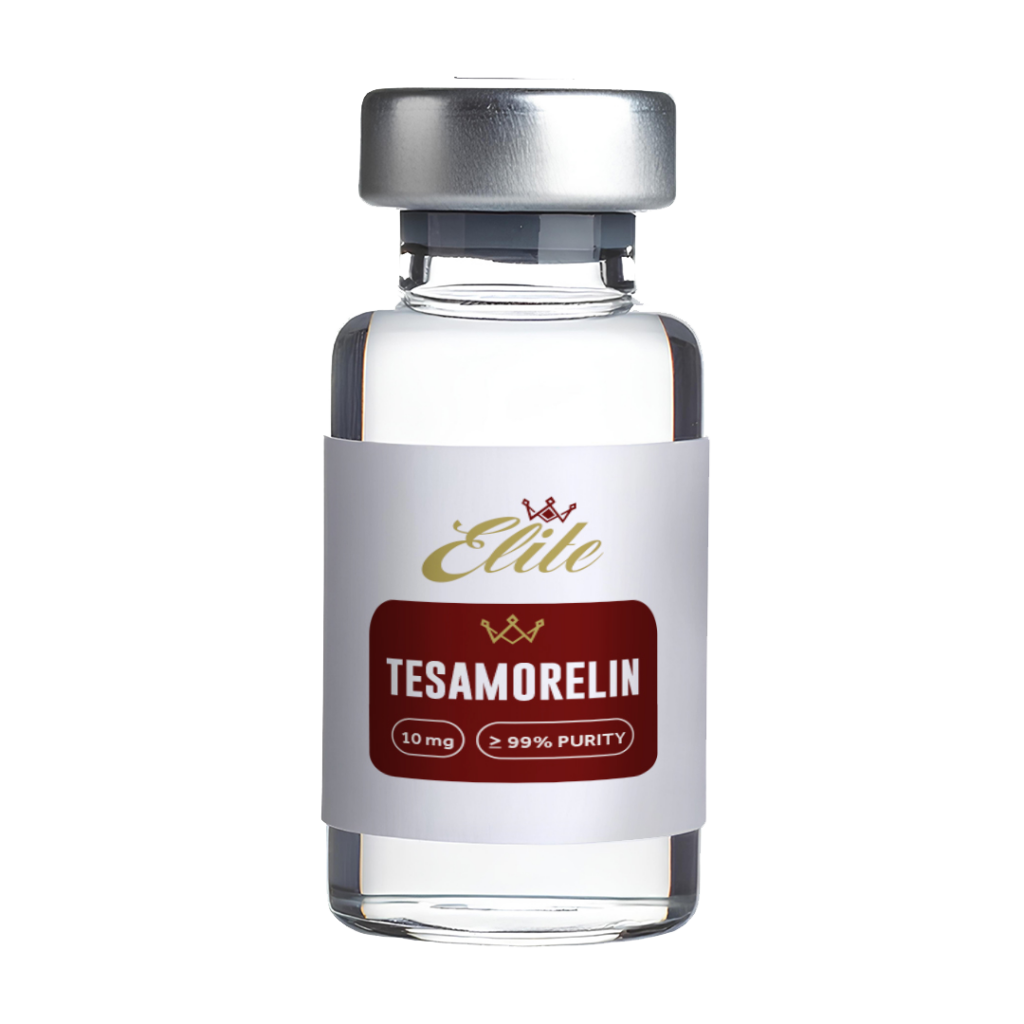
Retatrutide + Tesamorelin
Tesamorelin is often studied for body composition and lean mass support.
Why Researchers Stack It
- Supports lean tissue preservation
- May complement fat reduction research
- Useful for recomposition studies
- Often studied in abdominal fat models
This creates a strong balance between fat reduction and lean mass maintenance.
Retatrutide + MOTS-c
MOTS-c is associated with mitochondrial efficiency and cellular energy studies.
Why Researchers Stack It
- Supports metabolic performance research
- May improve energy utilization
- Complements insulin sensitivity models
- Helps broader metabolic flexibility studies
This stack is common in performance-focused research.
Retatrutide + CJC-1295 / Ipamorelin
CJC-1295 and Ipamorelin are often explored for recovery and lean tissue support.
Why Researchers Stack It
- Supports recovery studies
- May help preserve muscle tissue
- Useful in performance models
- Complements aggressive recomposition protocols
This combination is often favored for full transformation research models.
Retatrutide + Thymosin Alpha 1
Thymosin Alpha 1 is commonly studied for immune response and systemic recovery.
Why Researchers Stack It
- Supports recovery pathways
- Useful in high-performance protocols
- Complements overall system optimization
This is often included in broader wellness and recovery research.
Why Research Quality Matters
Retatrutide is a high-interest compound, and sourcing quality matters significantly.
Low-quality research compounds can lead to:
- Inconsistent outcomes
- Poor reproducibility
- Unreliable protocol comparisons
- Compromised data integrity
That is why serious researchers prioritize trusted suppliers like Elite Performance Research for premium research compounds with consistency and transparency.
Clean sourcing leads to stronger research.
Final Thoughts on Retatrutide GLP-3
Retatrutide represents one of the most exciting developments in metabolic peptide research.
Its triple agonist mechanism allows researchers to study:
- Appetite suppression
- Fat metabolism
- Increased energy expenditure
- Advanced body recomposition
- Metabolic flexibility
- Performance optimization
Unlike older compounds that focus only on appetite control, Retatrutide may offer broader and more aggressive metabolic support through its unique GLP-1, GIP, and glucagon receptor activity.
When combined with complementary peptides like AOD-9604, Tesamorelin, MOTS-c, and recovery-focused compounds, researchers can explore even more advanced body composition and performance models.
At Elite Performance Research, we remain committed to providing high-quality research compounds built for serious laboratory investigation.
Disclaimer: All products referenced are intended strictly for laboratory research purposes only. They are not intended for human consumption, medical use, diagnosis, treatment, or prevention of disease.