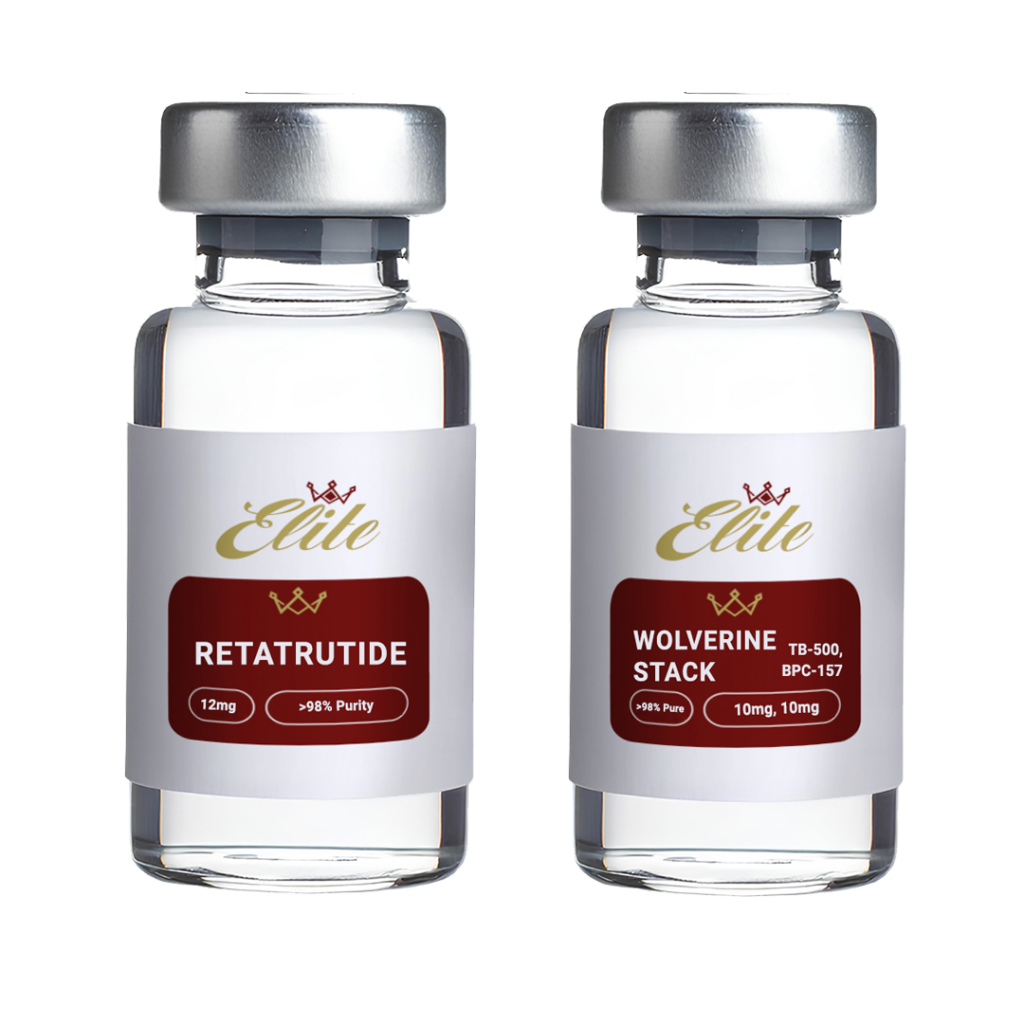
Retatrutide vs Tirzepatide: Understanding the Difference
As interest in advanced metabolic research continues to grow, two compounds consistently stand out in the conversation: Retatrutide and Tirzepatide. Both have gained significant attention in the research community for their role in studying weight management, metabolic function, appetite regulation, and body composition support.
While these compounds share some similarities, they function differently and offer unique advantages depending on research goals. Understanding Retatrutide vs Tirzepatide helps researchers better evaluate which compound may align with their study objectives.
At Elite Performance Research, we focus on providing high-quality research compounds for laboratory and investigational use only. This article explores the differences between Retatrutide and Tirzepatide, how they work, and the potential benefits researchers are exploring with both compounds.
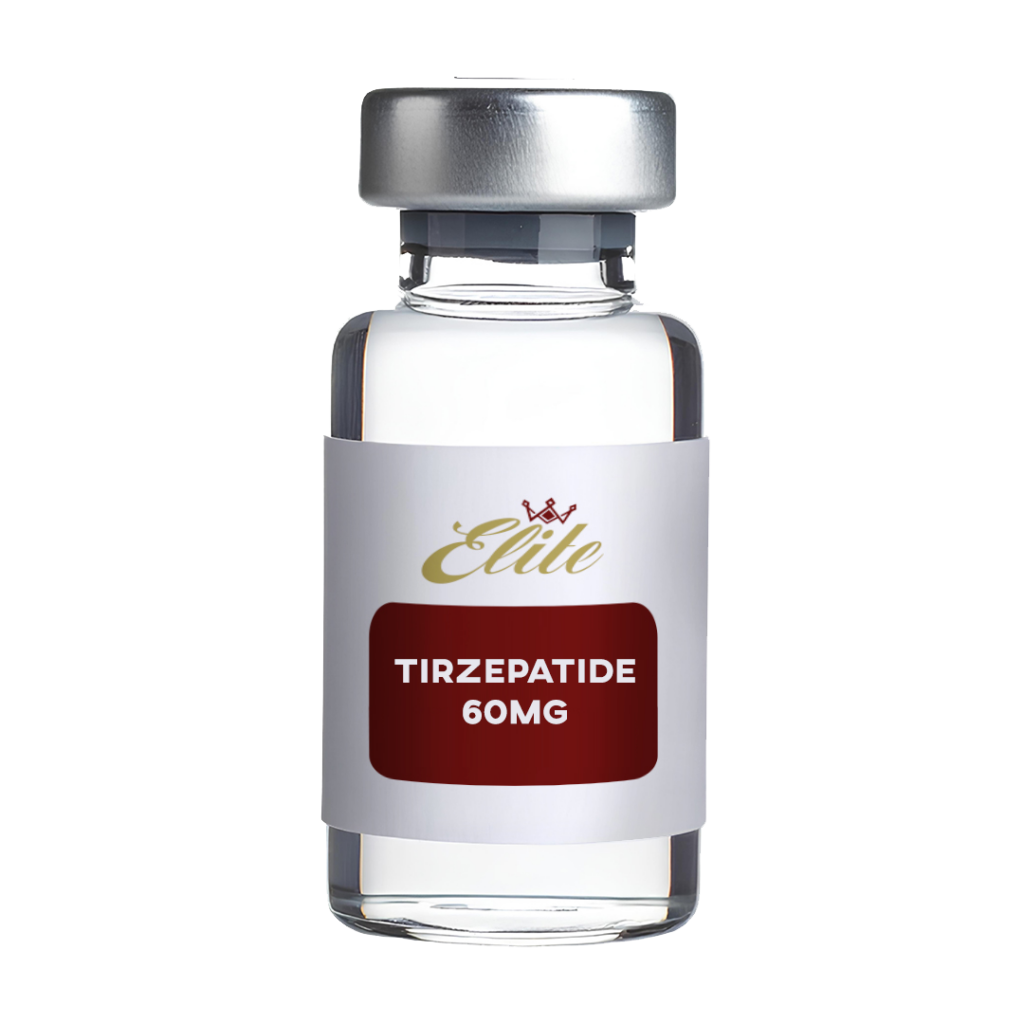
What Is Tirzepatide?
Tirzepatide is a dual agonist compound that targets both:
- GLP-1 (Glucagon-Like Peptide-1) receptors
- GIP (Glucose-Dependent Insulinotropic Polypeptide) receptors
This dual-action mechanism makes Tirzepatide unique compared to earlier GLP-1-only compounds. Researchers have studied its role in improving metabolic efficiency, appetite regulation, insulin sensitivity, and body composition outcomes.
Tirzepatide has become especially notable for research involving:
- Weight reduction pathways
- Blood sugar regulation models
- Appetite suppression studies
- Metabolic optimization
- Fat mass reduction research
Its ability to work through two hormone pathways makes it a major focus in peptide and metabolic research.
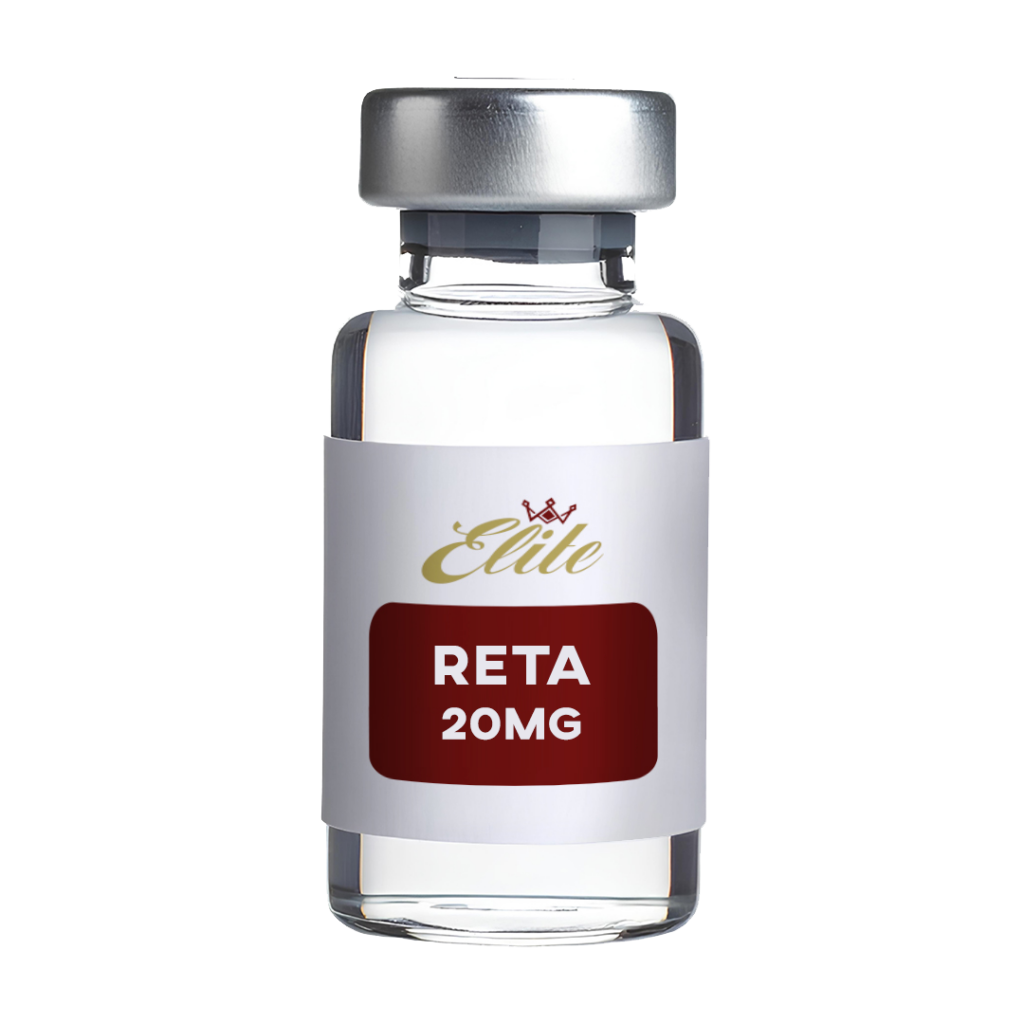
What Is Retatrutide?
Retatrutide takes the concept even further.
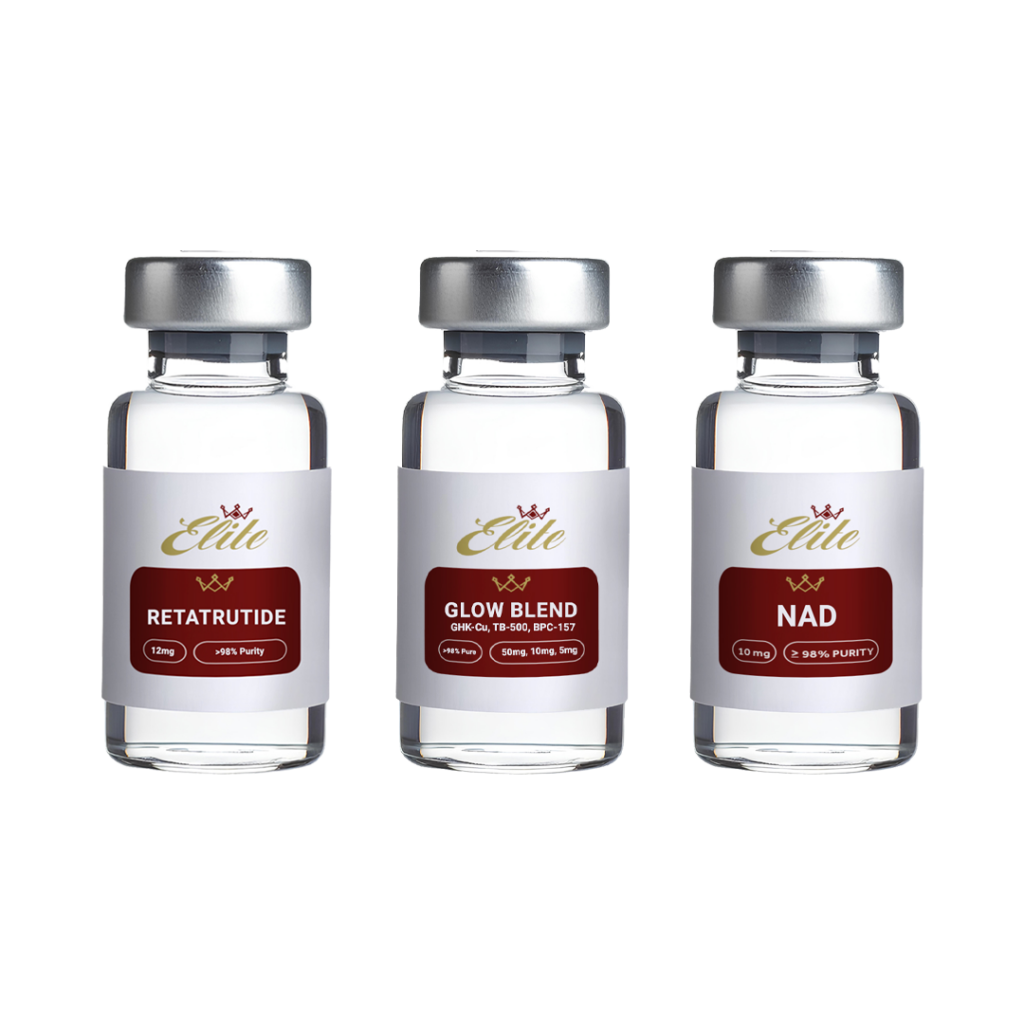
Unlike Tirzepatide, Retatrutide is a triple agonist that targets:
- GLP-1 receptors
- GIP receptors
- Glucagon receptors
This third pathway—glucagon receptor activation—is what separates Retatrutide from Tirzepatide and has generated significant attention in research circles.
Researchers are exploring how this added glucagon activity may influence:
- Increased energy expenditure
- Enhanced fat metabolism
- Greater body composition changes
- Improved metabolic flexibility
- More aggressive weight reduction models
Because of this triple-action design, many researchers view Retatrutide as a next-generation metabolic research compound.
Retatrutide vs Tirzepatide: Key Differences
While both compounds support metabolic research, the primary difference comes down to receptor activity.
Tirzepatide = Dual Agonist
Targets:
Retatrutide = Triple Agonist
Targets:
This third glucagon receptor pathway may create stronger metabolic effects, particularly in studies focused on fat loss and energy expenditure.
In simple terms:
Tirzepatide helps regulate appetite and insulin response.
Retatrutide may do that plus increase caloric burn and fat mobilization.
This is why many researchers compare the two directly when evaluating metabolic efficiency.
Benefits of Tirzepatide
Tirzepatide remains one of the most popular compounds in metabolic peptide research because of its consistency and versatility.
1. Appetite Regulation
One of the most studied benefits is reduced hunger signaling. Researchers often observe reduced food intake patterns, making it valuable in appetite suppression models.
2. Improved Metabolic Function
Tirzepatide supports research involving insulin response and glucose management, making it useful for metabolic optimization studies.
3. Body Composition Support
Studies often focus on reductions in fat mass while preserving lean tissue, making it attractive for recomposition research.
4. Strong Research Track Record
Because Tirzepatide has been widely studied, researchers have access to a growing body of information and protocol references.
5. Reliable Starting Point
For researchers comparing compounds, Tirzepatide is often considered the foundational dual agonist before moving into triple agonist compounds like Retatrutide.
Benefits of Retatrutide
Retatrutide has generated major interest because of its potential to go beyond traditional GLP-1 pathways.
1. Enhanced Fat Loss Research
The glucagon receptor pathway may contribute to greater fat mobilization and energy utilization, making it a strong candidate for advanced weight reduction studies.
2. Increased Energy Expenditure
Unlike compounds focused only on appetite reduction, Retatrutide may support research into actual caloric burn and metabolic output.
3. Aggressive Body Recomposition Models
Researchers interested in significant body composition shifts often look to Retatrutide because of its broader metabolic influence.
4. Next-Generation Compound Potential
Many researchers view Retatrutide as the evolution beyond Tirzepatide due to its triple receptor activation.
5. Advanced Metabolic Flexibility
Studies are exploring how Retatrutide may improve the body’s ability to shift between fuel sources more efficiently.
Which Compound Is Better?
The answer depends entirely on research goals.
Tirzepatide May Be Better For:
- Foundational metabolic studies
- Appetite suppression models
- Glucose regulation research
- Moderate body composition goals
- Researchers seeking established protocols
Retatrutide May Be Better For:
- Advanced fat loss research
- Aggressive recomposition studies
- Energy expenditure analysis
- Higher-performance metabolic studies
- Researchers exploring next-generation compounds
Neither is universally “better”—they simply serve different research purposes.
Why Researchers Compare Retatrutide and Tirzepatide
Both compounds sit at the center of current metabolic research trends.
The comparison matters because researchers want to understand:
- Which pathways create stronger outcomes
- Whether triple agonists outperform dual agonists
- How appetite suppression compares to energy expenditure
- Which compound better supports long-term body composition goals
This makes Retatrutide vs Tirzepatide one of the most searched peptide comparisons in the industry today.
Stacking and Research Considerations
Some advanced researchers also explore these compounds alongside additional metabolic support compounds such as:
- AOD-9604
- Tesamorelin
- MOTS-c
- Sermorelin
These combinations are often investigated for broader body composition and performance research objectives.
However, all compounds should remain strictly within laboratory and investigational use protocols.
Research Quality Matters
When comparing compounds like Retatrutide and Tirzepatide, purity and sourcing matter significantly.
Low-quality research compounds can compromise study outcomes, create inconsistencies, and affect reproducibility.
That is why researchers prioritize trusted suppliers like Elite Performance Research for sourcing premium research compounds with transparency and consistency.
Reliable sourcing helps ensure cleaner research and more dependable results.
Final Thoughts on Retatrutide vs Tirzepatide
Both Retatrutide and Tirzepatide represent major advancements in metabolic peptide research.
Tirzepatide offers strong dual-pathway support through GLP-1 and GIP receptor activation, making it a reliable and highly researched option for appetite control and metabolic studies.
Retatrutide builds on that foundation by adding glucagon receptor activation, creating a triple agonist compound with exciting potential for enhanced fat metabolism and energy expenditure research.
For many researchers, the question is not which is better—but which is better for the specific goal of the study.
As metabolic research continues to evolve, both compounds will likely remain central to the conversation.
At Elite Performance Research, we remain committed to supporting that research with high-quality compounds designed for serious investigational work.
Disclaimer: All products referenced are intended strictly for laboratory research purposes only. They are not intended for human consumption, medical use, diagnosis, treatment, or prevention of disease.