What Are Research Peptides and Why Are Researchers Paying Attention
If you’ve spent any time in research circles lately, you’ve probably noticed peptides coming up more and more. But the terminology can get confusing fast, especially when terms like “research compounds,” “pharmaceutical grade,” and “bioactive peptides” get used interchangeably.
So let’s clear the air. Research peptides are short chains of amino acids, the same building blocks that make up proteins, synthesized in a lab for scientific and investigational purposes. They are not approved drugs. They are not sold for human consumption. They exist specifically to help researchers study biological processes: how tissue repairs itself, how hormones signal the body, how aging unfolds at the cellular level.
Understanding the difference between investigational compounds and pharmaceutical drugs is the starting point for any serious researcher.
How They Differ From Pharmaceutical Compounds
The distinction matters, and it’s worth understanding clearly. Pharmaceutical compounds go through extensive clinical trials, regulatory review, and approval processes before they reach patients. They are manufactured to specific therapeutic standards and prescribed by licensed practitioners.
Research peptides, by contrast, are produced for laboratory and investigational use. They’re studied to understand potential biological mechanisms, signaling pathways, and cellular responses. The research phase is precisely where scientists gather the data that may eventually inform pharmaceutical development. This doesn’t make research peptides less interesting scientifically. In many cases, it makes them more so, because the field is still actively being explored.
Why the Research Community Is Paying Attention
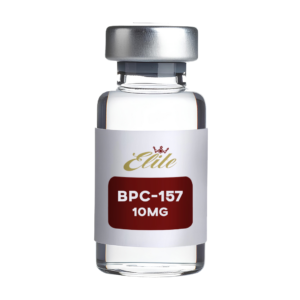
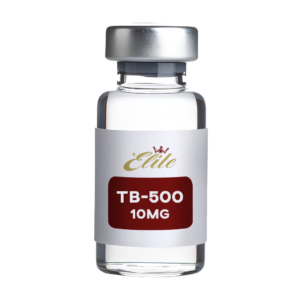
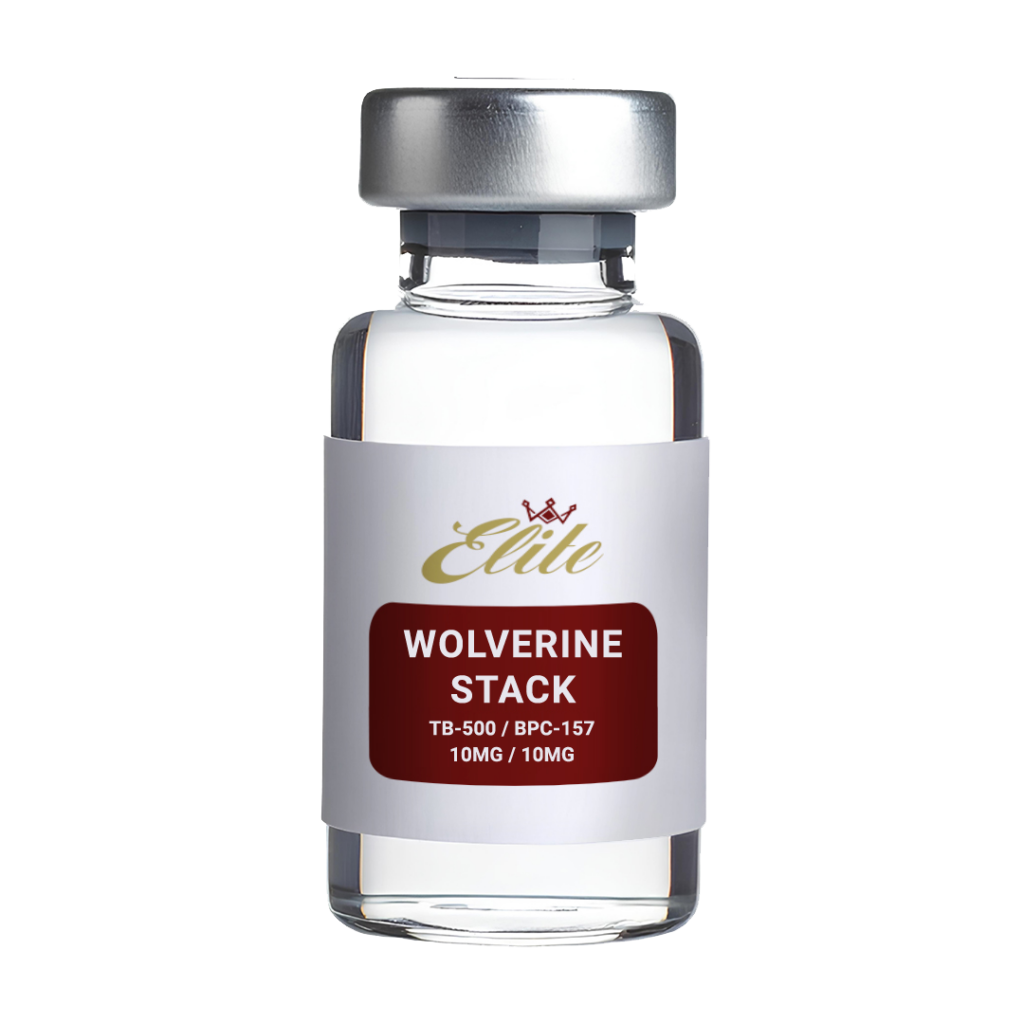
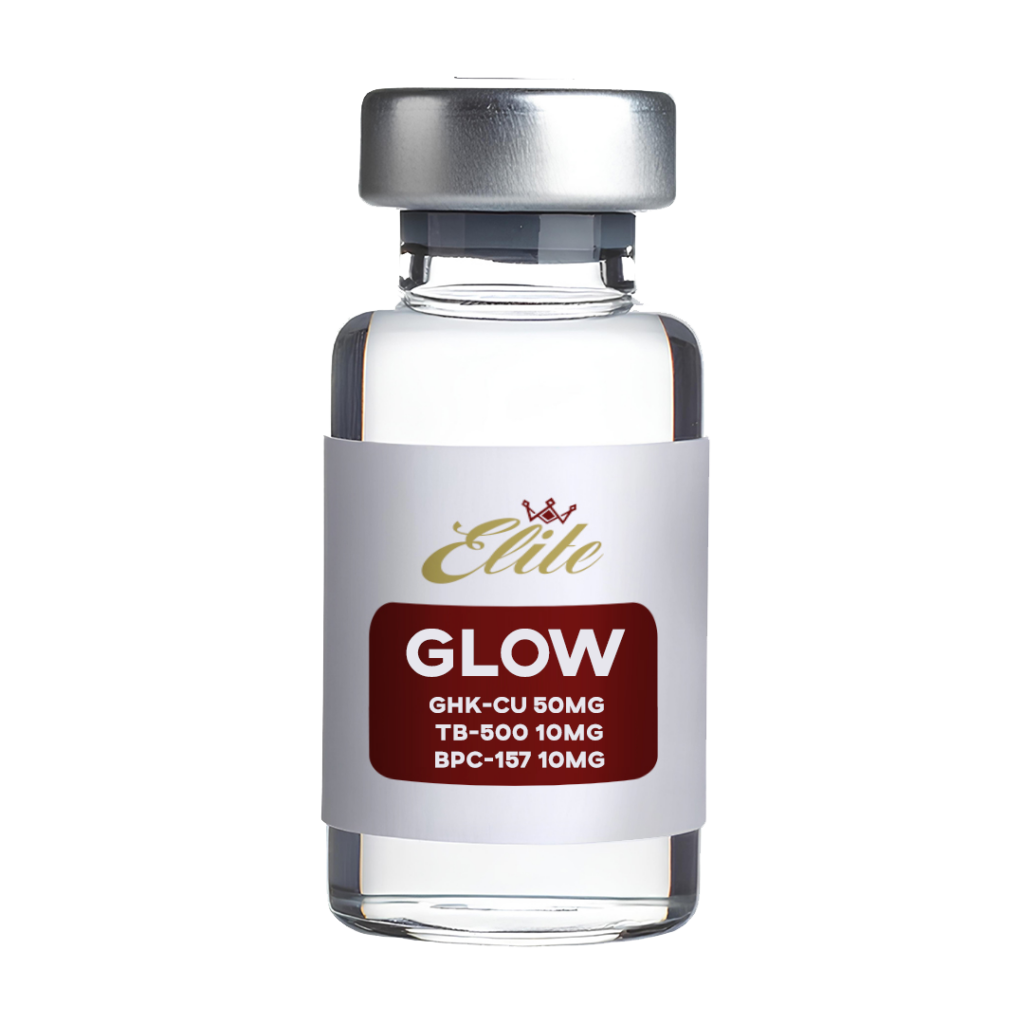
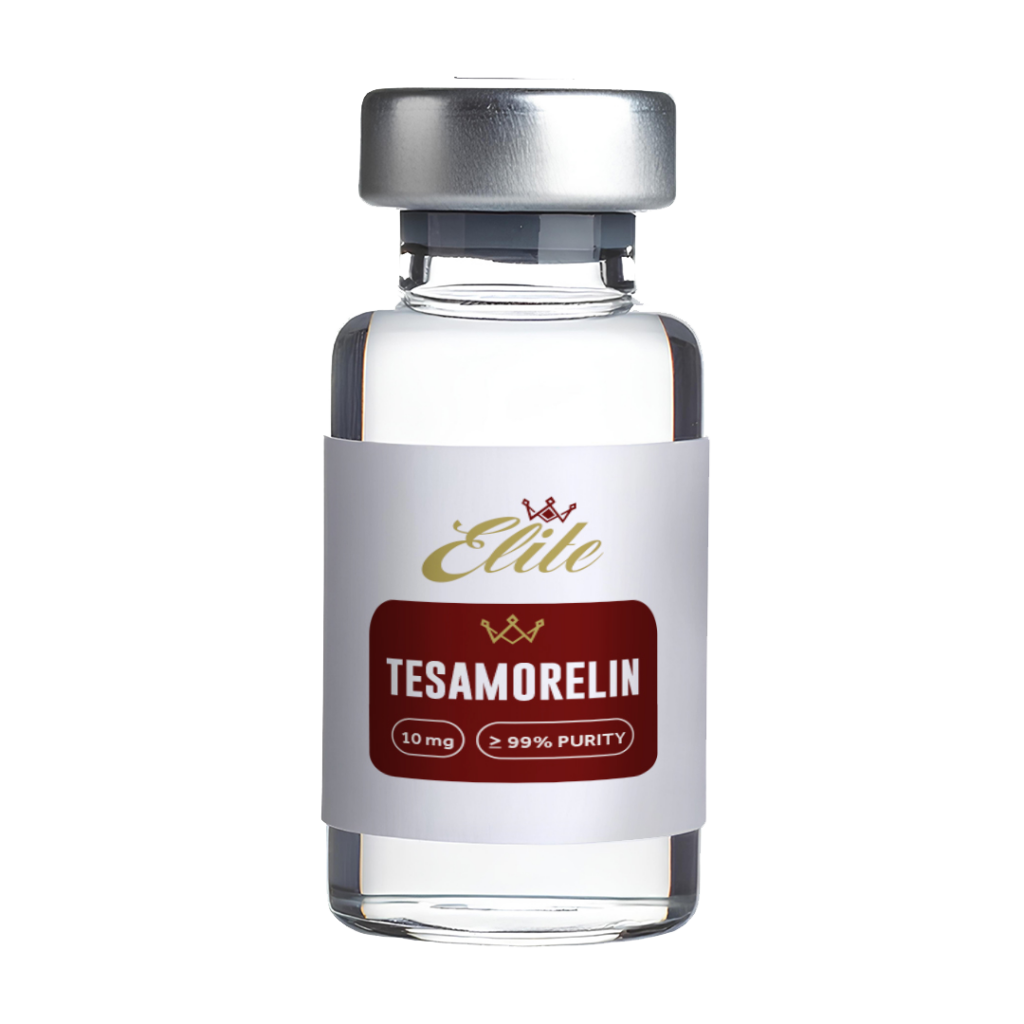
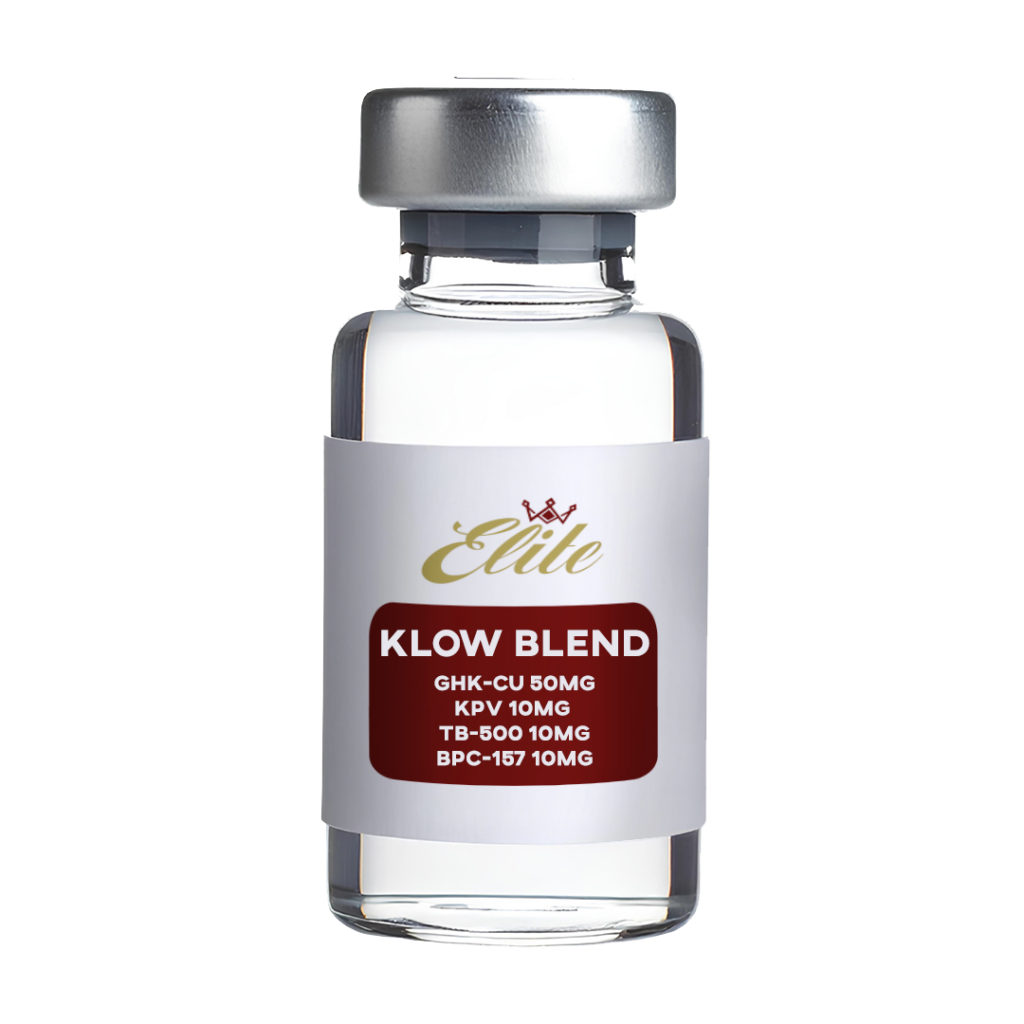
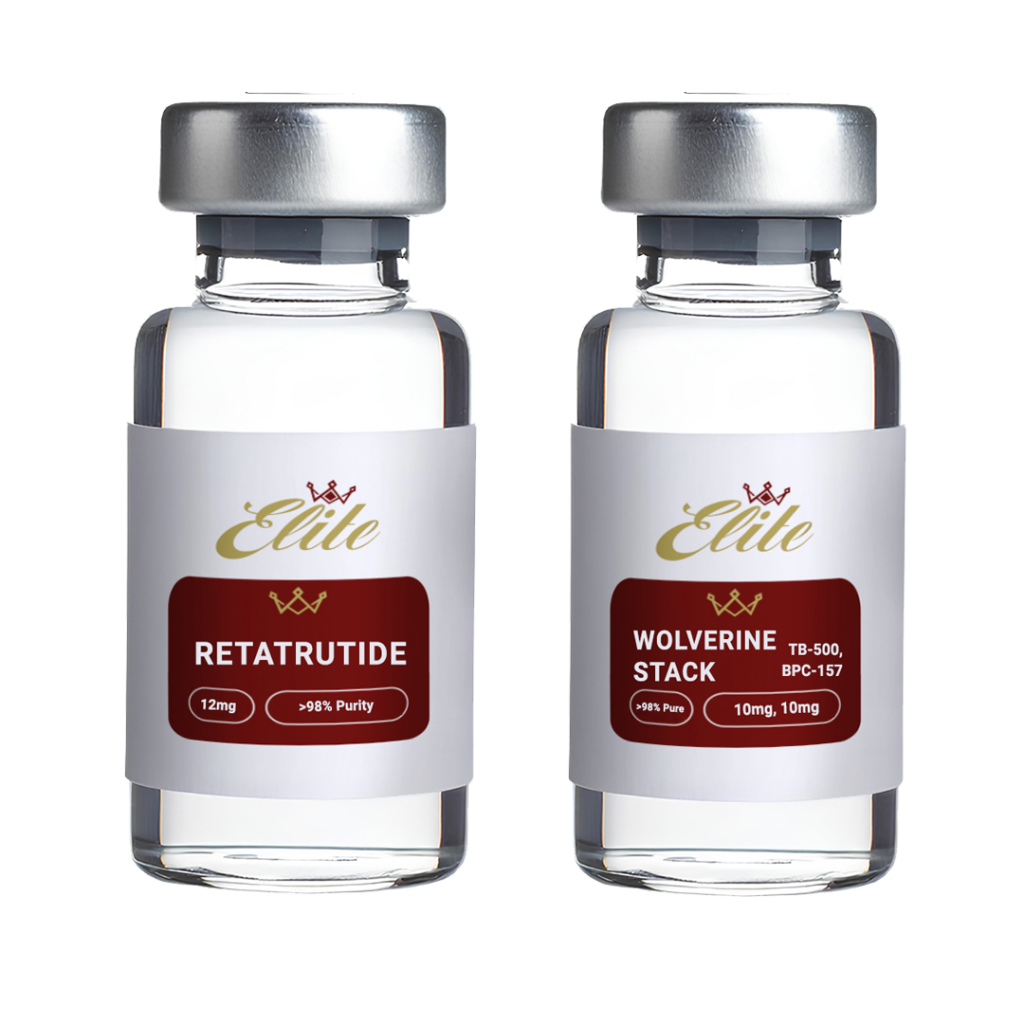
Several categories of research peptides have drawn significant investigational interest in recent years. Peptides like BPC-157 and TB-500 are being studied for their roles in tissue repair and recovery. Researchers are examining how these compounds interact with healing processes at the cellular level, making them subjects of ongoing investigation in sports science and regenerative research contexts.
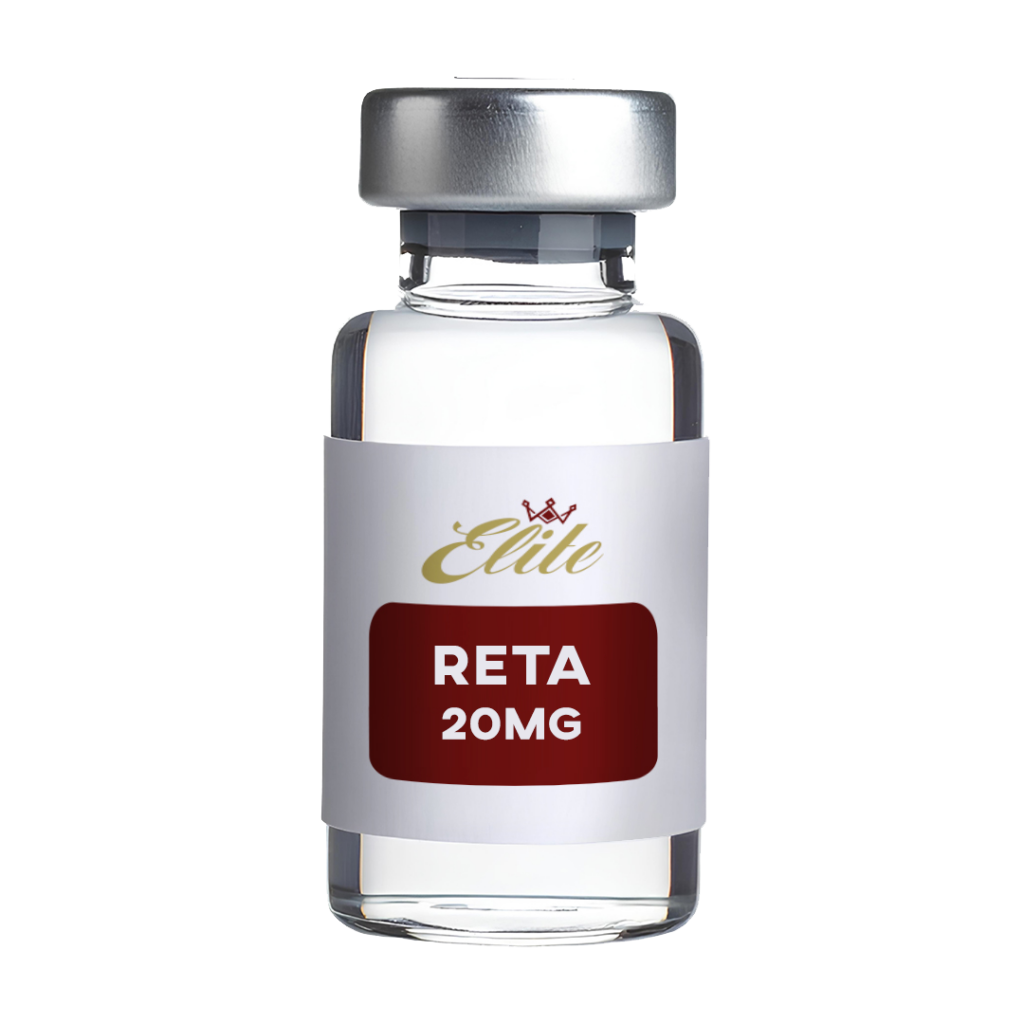
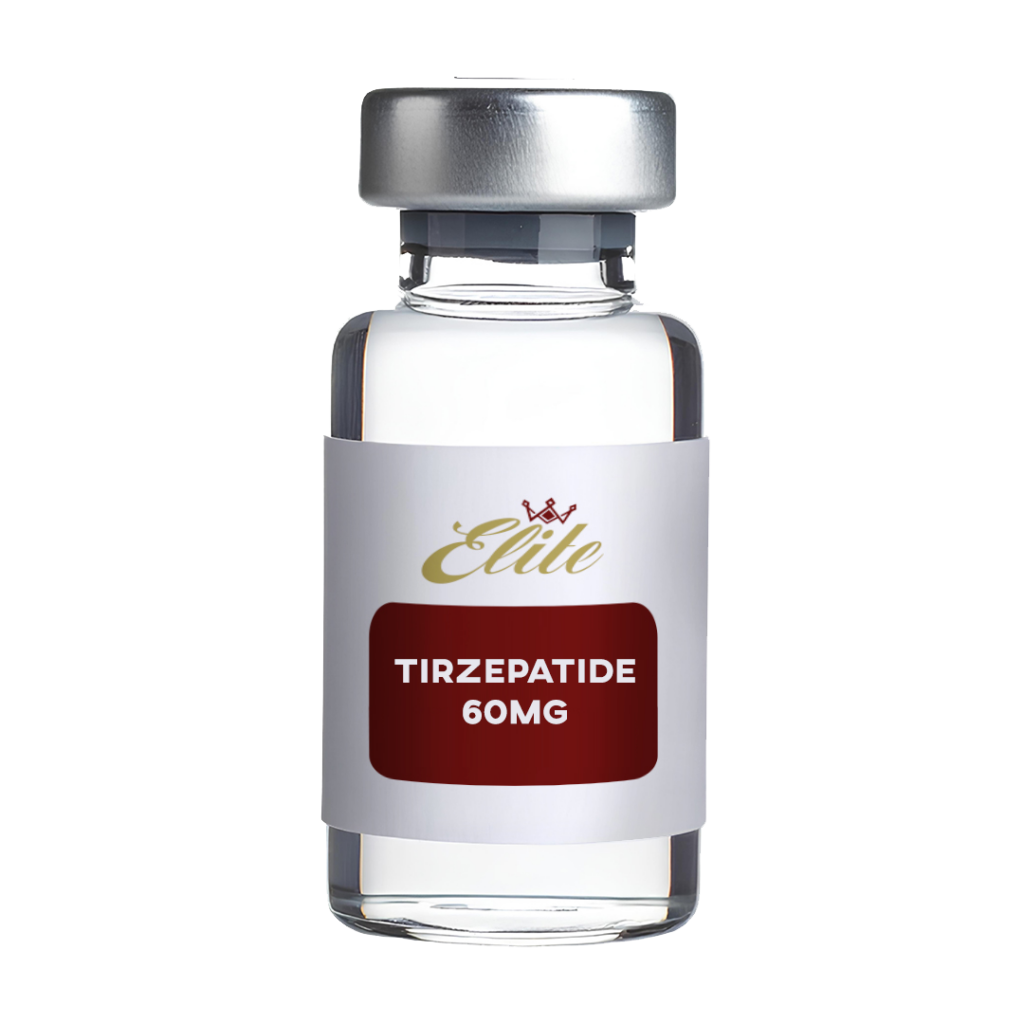
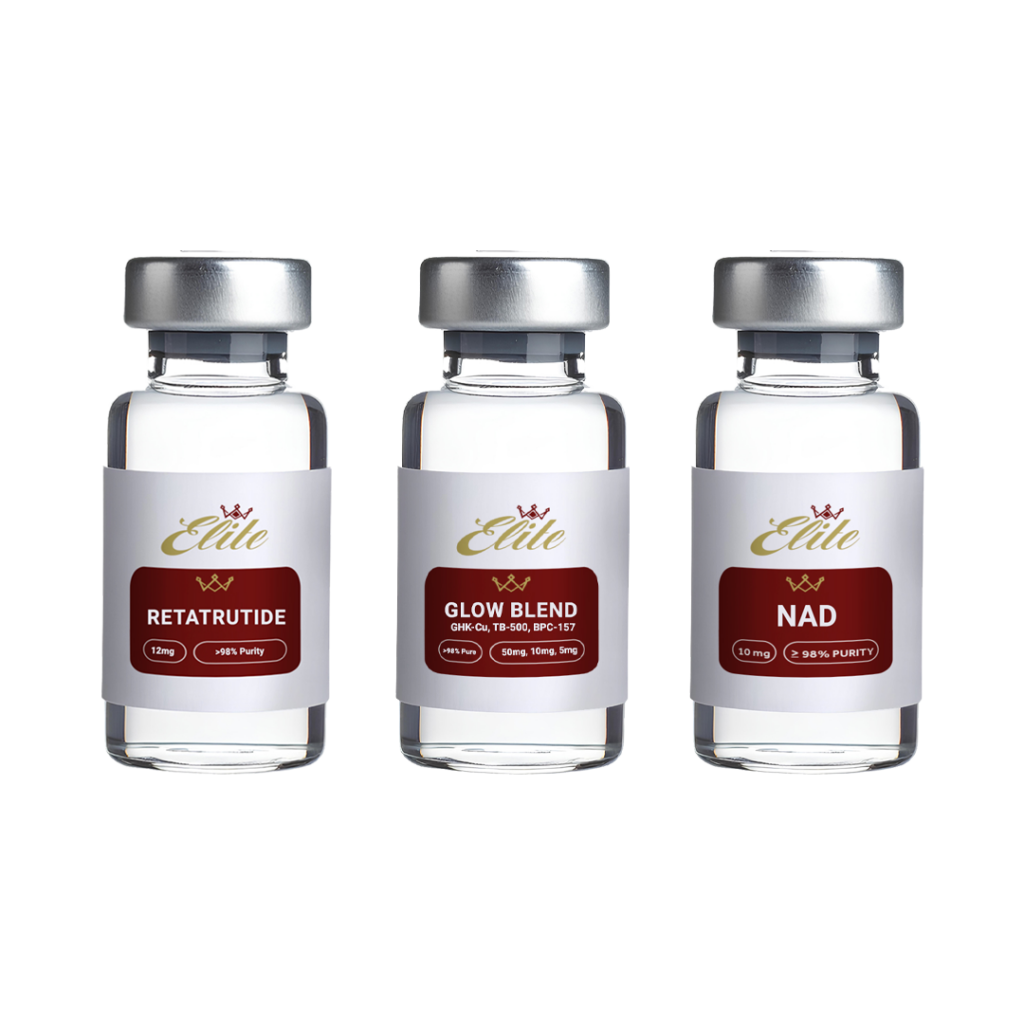
On the metabolic side, compounds like tirzepatide and retatrutide have attracted considerable attention for their influence on appetite regulation, blood sugar control, and body composition. Both belong to the GLP-1 receptor agonist class and are among the most discussed areas in current metabolic research.
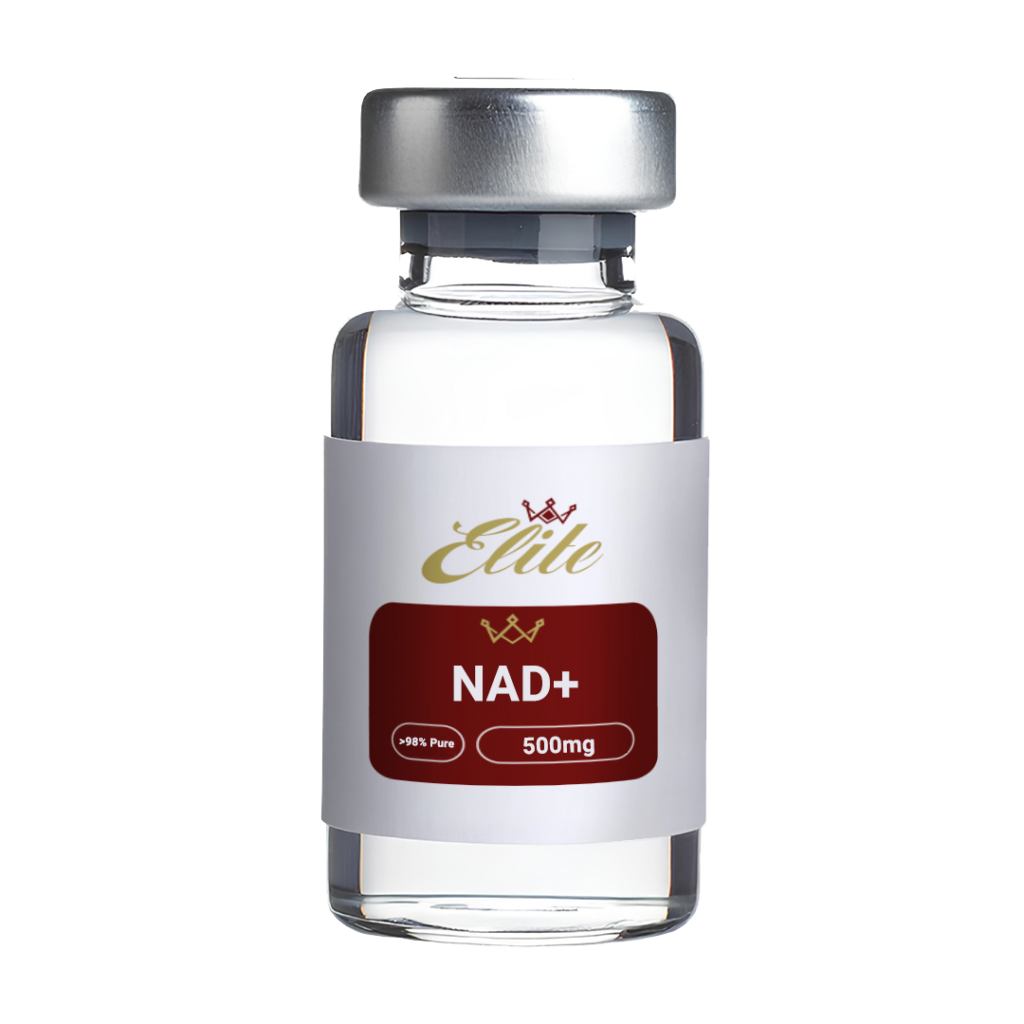
Anti-aging research has similarly grown more sophisticated. Peptides such as GHK-Cu are being investigated for their role in skin biology and cellular regeneration. NAD+, while not a peptide, is a research compound frequently studied alongside peptides for its role in cellular energy and repair pathways.
What Makes a Research Peptide “Quality”?
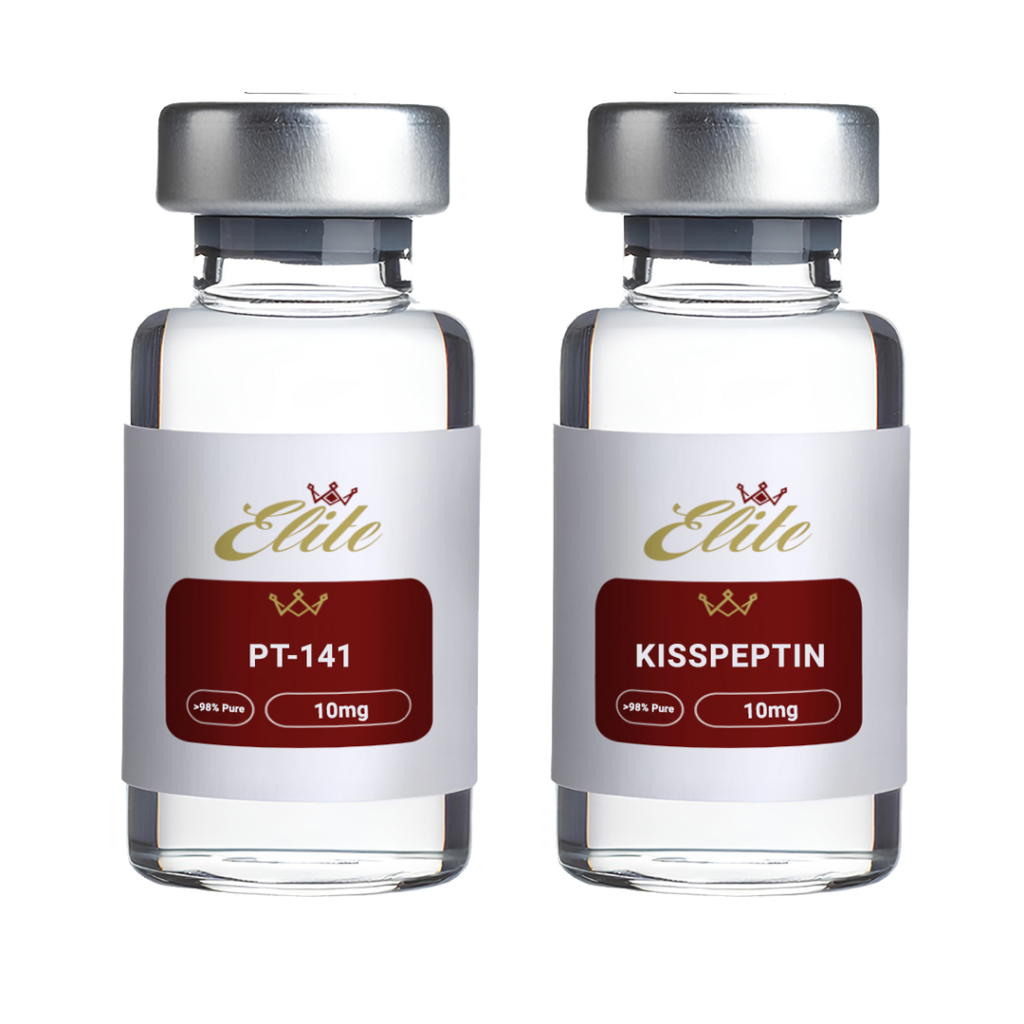
From tissue repair to metabolic function, research peptides cover a wide range of biological pathways currently under active scientific investigation.
Not all research peptides are created equal. Researchers sourcing compounds for their work should look for:
Third-party testing: Independent verification of purity and concentration
Transparent sourcing: Knowing where and how compounds are synthesized
Proper documentation: COAs (certificates of analysis) that confirm what’s actually in the vial
Reconstitution and handling guidance: Proper storage and preparation directly affect compound integrity
At Elite Performance Research, we take quality seriously, as every compound we carry is third-party tested and backed by transparent documentation. Whether you’re researching TB-500 research peptides or comparing premium research compounds for a new protocol, you should get a supplier you can rely on. Our catalog includes BPC-157, retatrutide, NAD+ research compounds, and more, all shipped from Scottsdale, AZ, with real human support.
Benefits of Retatrutide GLP-3 and Why Researchers Are Paying Attention As peptide research continues to evolve, few compounds have generated as much interest as Retatrutide. Often referred to in research circles as a “GLP-3” compound, Retatrutide represents a next-generation advancement in metabolic and body composition studies. Unlike traditional GLP-1 compounds,
Tirzepatide vs Mounjaro: What’s the Difference? As peptide research continues to expand, one of the most common questions researchers ask is about Tirzepatide vs Mounjaro. Many people assume they are two completely different compounds, but the reality is much simpler: Mounjaro is the brand name, while Tirzepatide is the active
Retatrutide vs Tirzepatide: Understanding the Difference As interest in advanced metabolic research continues to grow, two compounds consistently stand out in the conversation: Retatrutide and Tirzepatide. Both have gained significant attention in the research community for their role in studying weight management, metabolic function, appetite regulation, and body composition support.
You must be 21 years old or older in order to access our website. Please verify your age.
Our products are crafted for research and/or investigative purposes and are not suitable for direct human consumption or consumers, nor are they intended for clinical or therapeutic use. The statements and products listed on this website are not intended to diagnose, treat, cure, or prevent any disease.